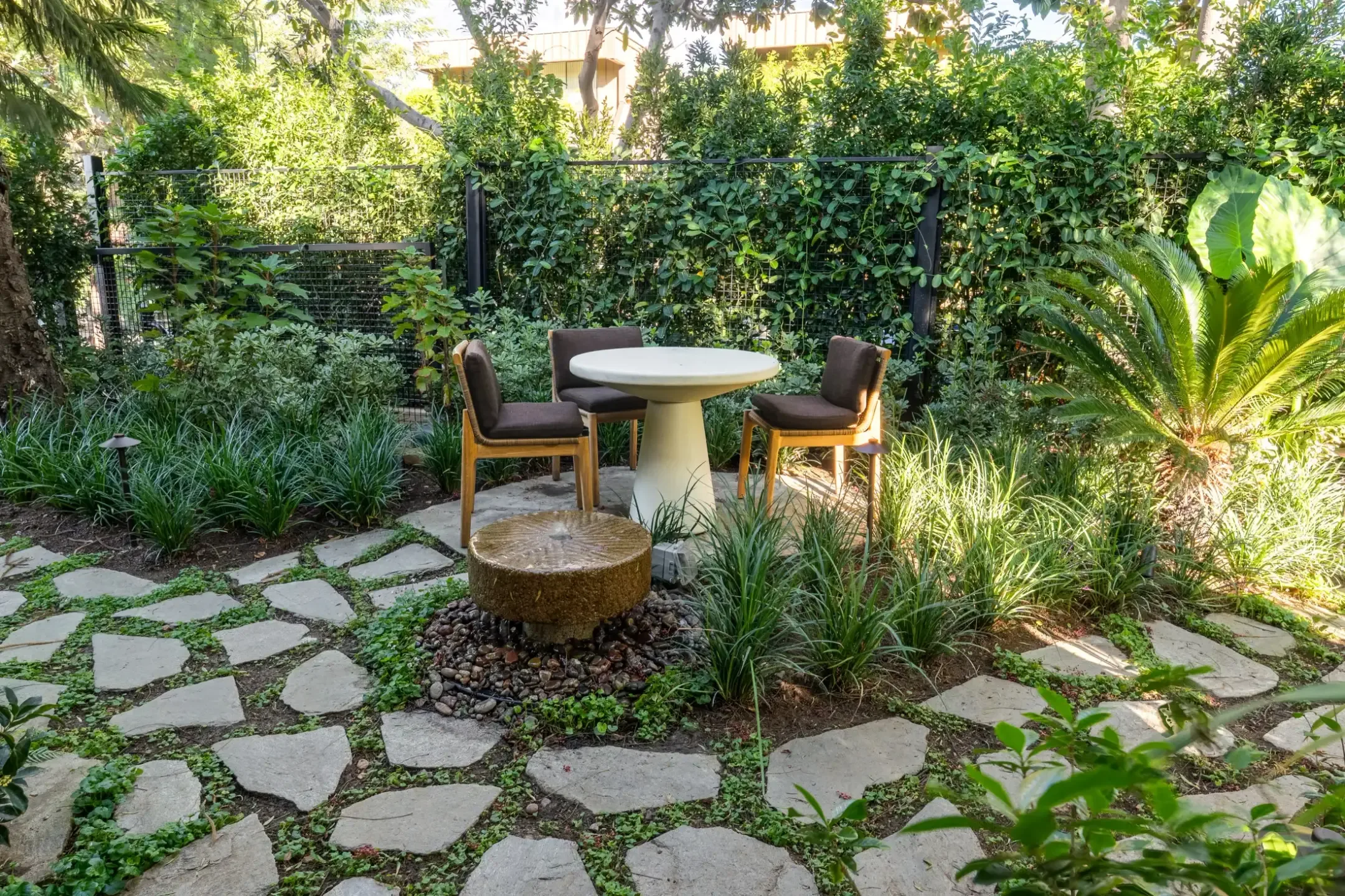
The ground beneath: high-end paving that defines the landscape
Learn why selecting the right high-end paving solution is critical for durability and aesthetic continuity.
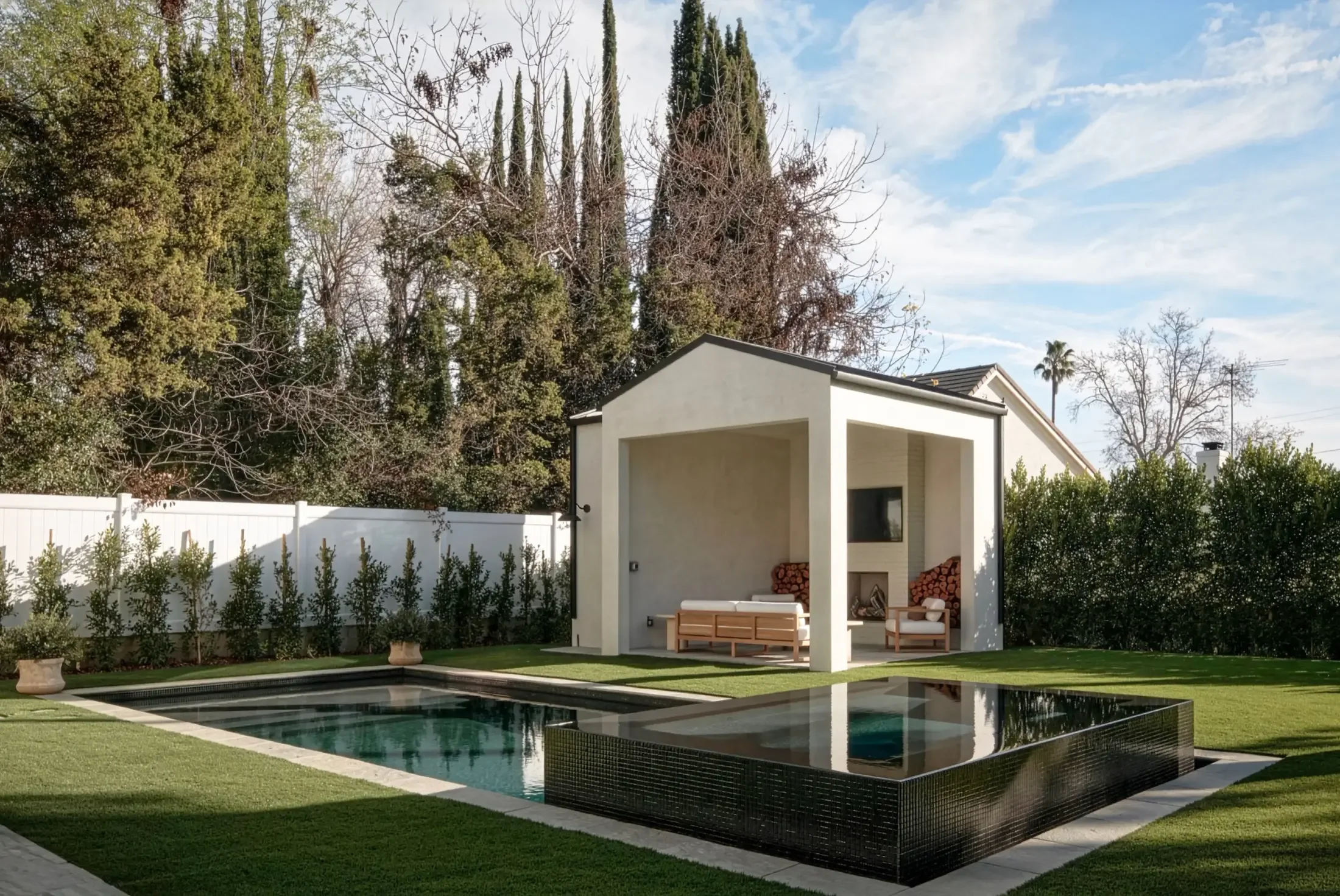
The ground plane is the quiet organizer of outdoor architecture. When paving, planting, and structure are planned together, circulation feels inevitable and spaces resolve with clarity. When they are not, even premium materials read as disconnected fragments, paths that wander without purpose, terraces that float apart from the house, courts that never quite become rooms.
Investing in the right paving system early protects both the aesthetic and the structural integrity of everything built above it. The choice is not merely which stone or concrete unit looks best in a sample board; it is which system will perform under load, manage water, and speak the same architectural language as the rest of the property.
Flow Before Finish
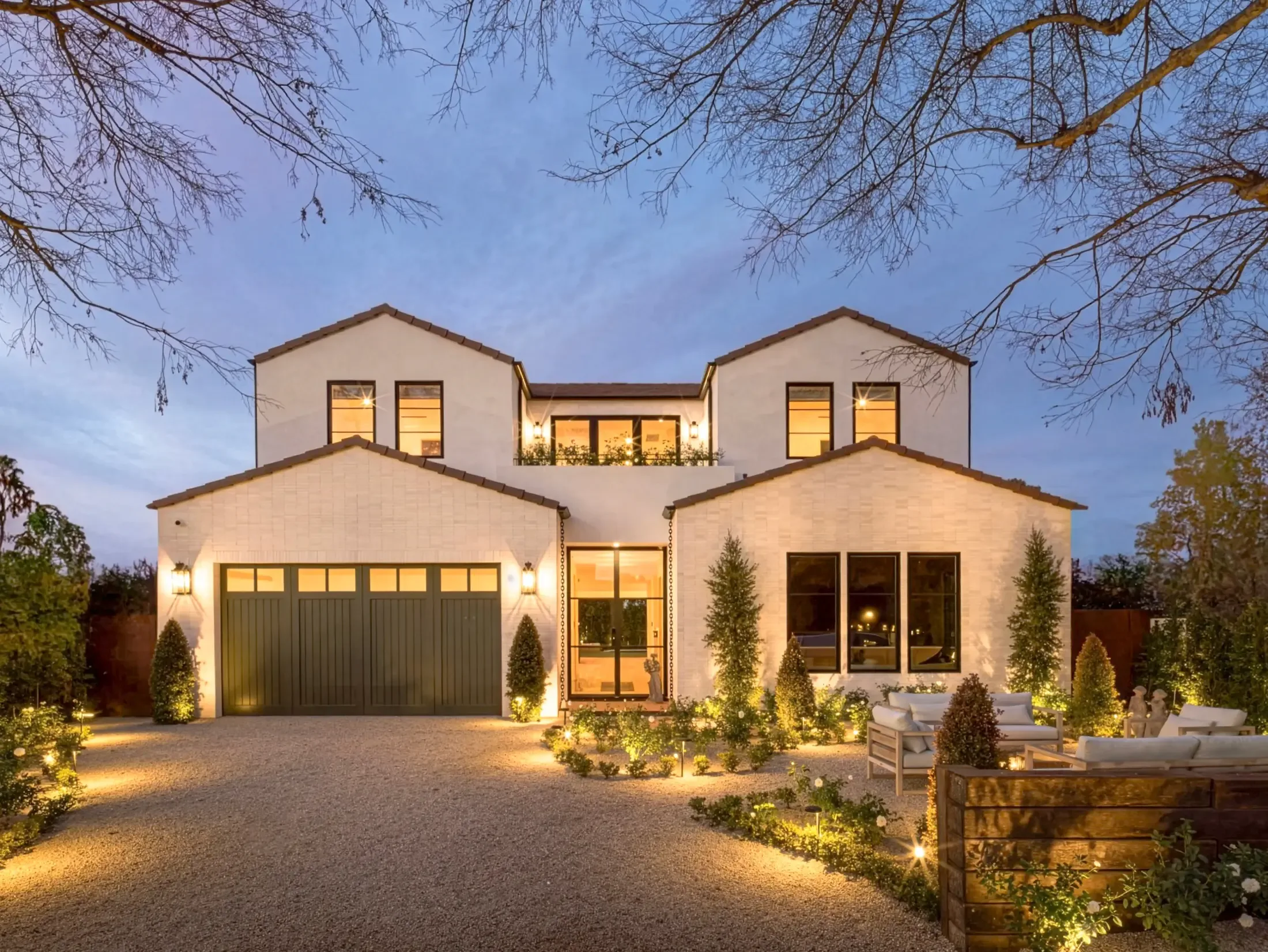
Successful paving begins with how people move. Arrival sequences, routes from kitchen to dining, edges around water, and connections to garden rooms all shape the layout long before a pattern is drawn. Aligning these paths with doorways, sight lines, and structural axes creates a sense of order that guests feel instinctively.
Material selection then reinforces that flow. Larger modules slow the eye and suit expansive courts; smaller units and tighter joints suit intimate walks and intricate borders. Texture can signal transitions, smoother surfaces for dining, more tactile fields for garden exploration, without relying on abrupt changes of material that fracture the composition.
Structure You Cannot See
What lies under the paver determines how long the surface remains true. Excavation depth, base materials, compaction standards, and edge restraint are the invisible architecture of a lasting installation. Shortcuts here produce the settling, rocking units, and uneven joints that undermine even the most elegant design.
Climate and soil conditions further refine the specification. Expansive soils, irrigation patterns, and seasonal temperature swings all influence base design and joint strategy. A design-build team that engineers paving alongside grading and drainage avoids the common failure of beautiful surfaces laid on inadequate foundations.
Aesthetic Continuity
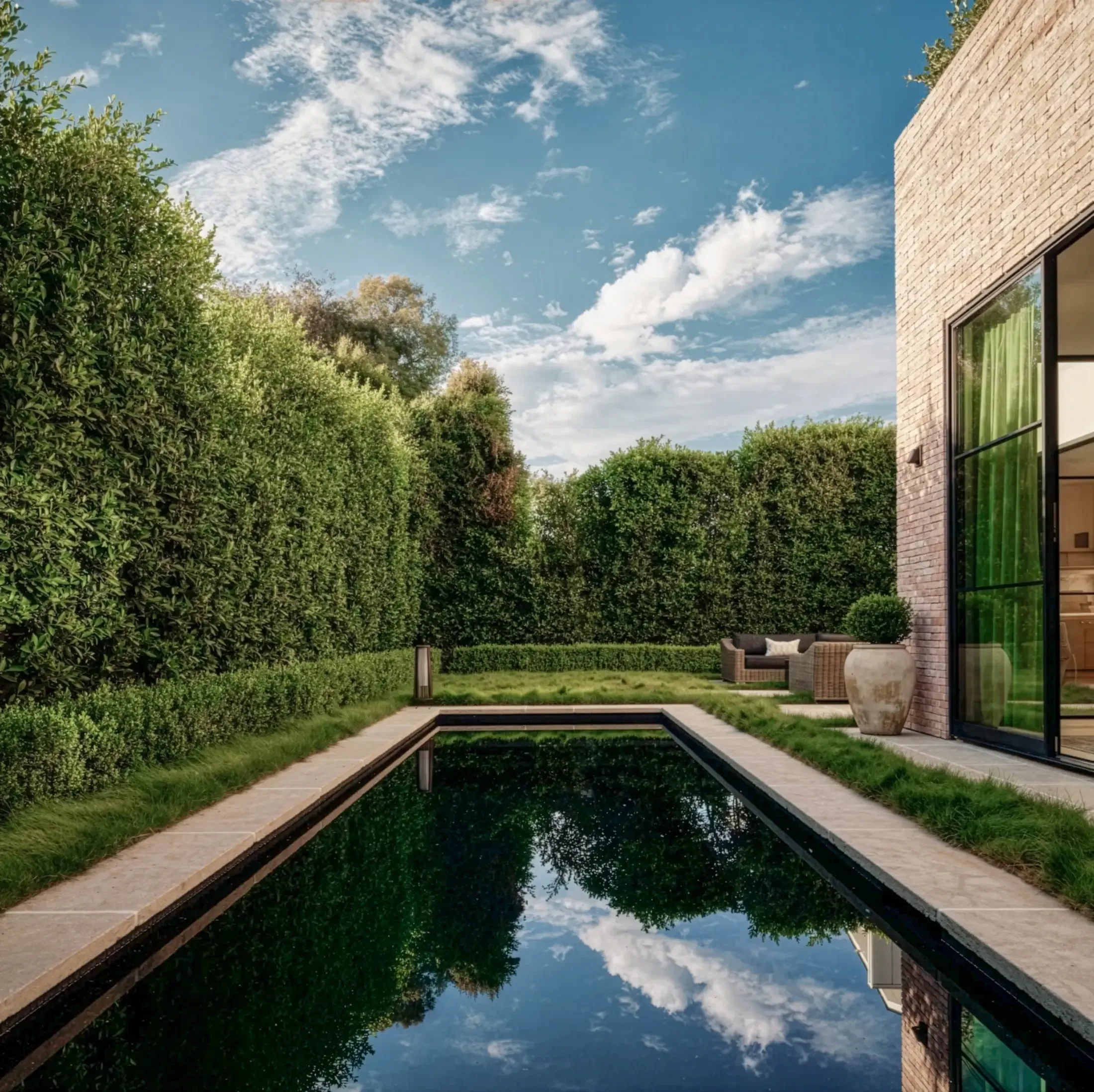
High-end paving should never feel like a catalog product dropped onto the site. Color and finish ought to relate to the home’s exterior materials, stucco, stone, timber, metal, so outdoor rooms feel like extensions of the interior rather than separate zones. Pool decks, kitchen terraces, and garden paths can share a family of materials while varying scale and pattern to define each space.
Borders, inlays, and banding become tools of hierarchy when used with restraint. Over-decoration competes with planting and architecture; disciplined detailing supports them. The goal is a ground plane that reads as composed, not busy.
Built to Endure
Durability and beauty are not opposing goals. Materials that resist staining, fading, and abrasion keep the landscape looking intentional year after year. Maintenance expectations should be honest at the specification stage so homeowners understand how the surface will age and how it should be cared for.
When the ground beneath is resolved with structural rigor and aesthetic discipline, the entire outdoor environment gains coherence. Paths lead where they should. Rooms feel anchored. The landscape holds together as architecture, not as a collection of finishes waiting to fail.