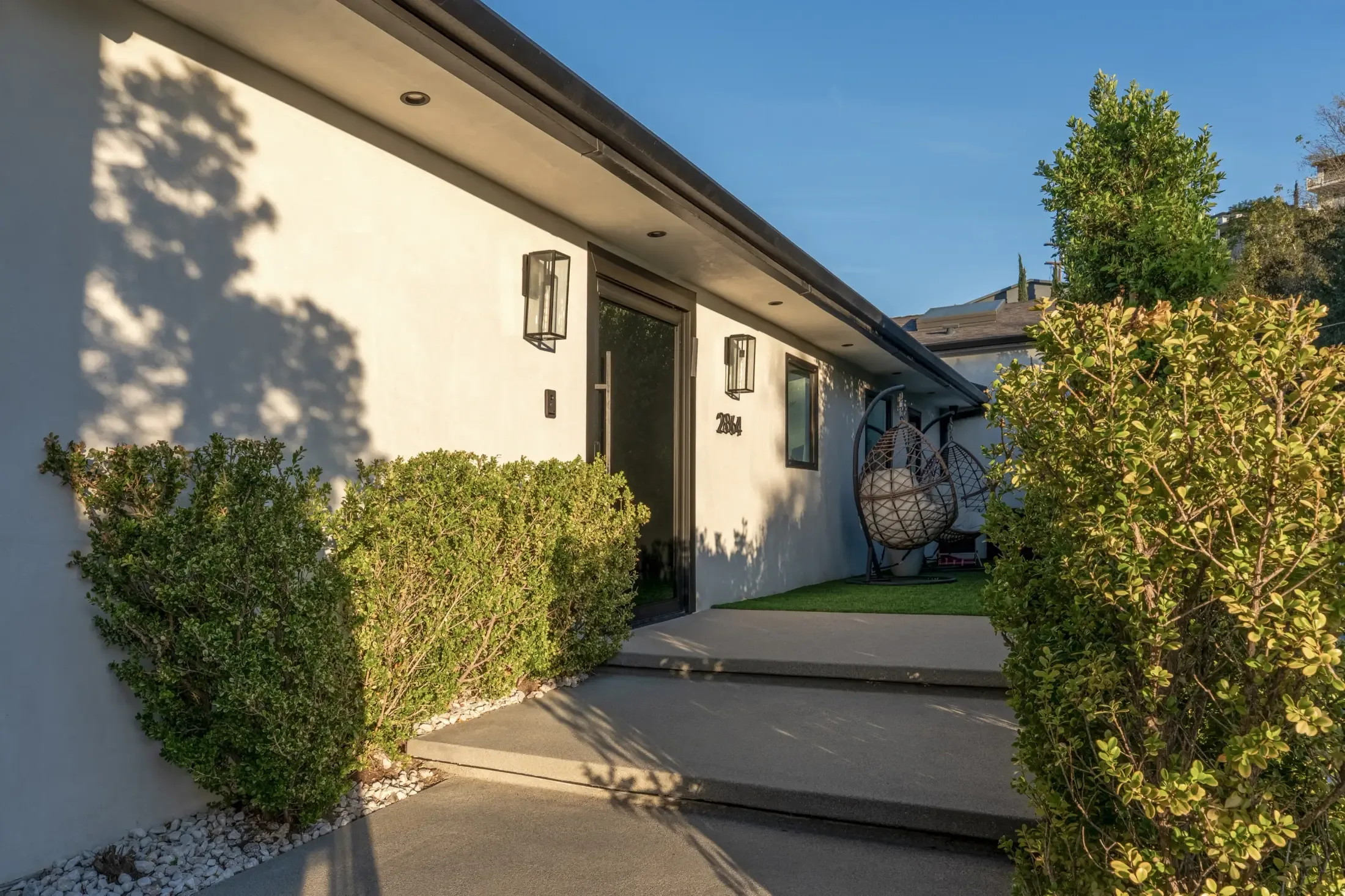
The refined foundation: elevating spaces with architectural pavers
Why high-end paving is critical for structural durability and aesthetic continuity across the landscape.
Paving sets the tempo of outdoor movement. Pattern, jointing, and material selection govern both the tactile experience underfoot and the long-term performance of terraces, courts, and garden paths. When these decisions are treated as surface decoration alone, the landscape eventually reveals the cost, settling, staining, uneven joints, and a visual language that never quite connects to the architecture of the home.
Architectural pavers succeed when they are specified as part of a larger structural and drainage strategy. Base preparation, edge restraint, and water management are as decisive as the stone or concrete unit itself. At Artscape Living, paving is engineered as the refined foundation that grounds every outdoor room that follows.
More Than a Surface Finish
A paver field is a structural system. Compaction of the subgrade, depth and composition of the base, and the precision of bedding layers determine whether the finished plane remains true through seasons of freeze-thaw, irrigation, and heavy use. Premium materials cannot compensate for a weak foundation; they only make failure more conspicuous.
Jointing methods matter equally. Polymeric sands, mortar beds, and open-joint strategies each serve different climates, loads, and aesthetic goals. Specifying them early, alongside elevations and thresholds, prevents the late-stage compromises that leave terraces looking assembled rather than composed.
Continuity Across the Site
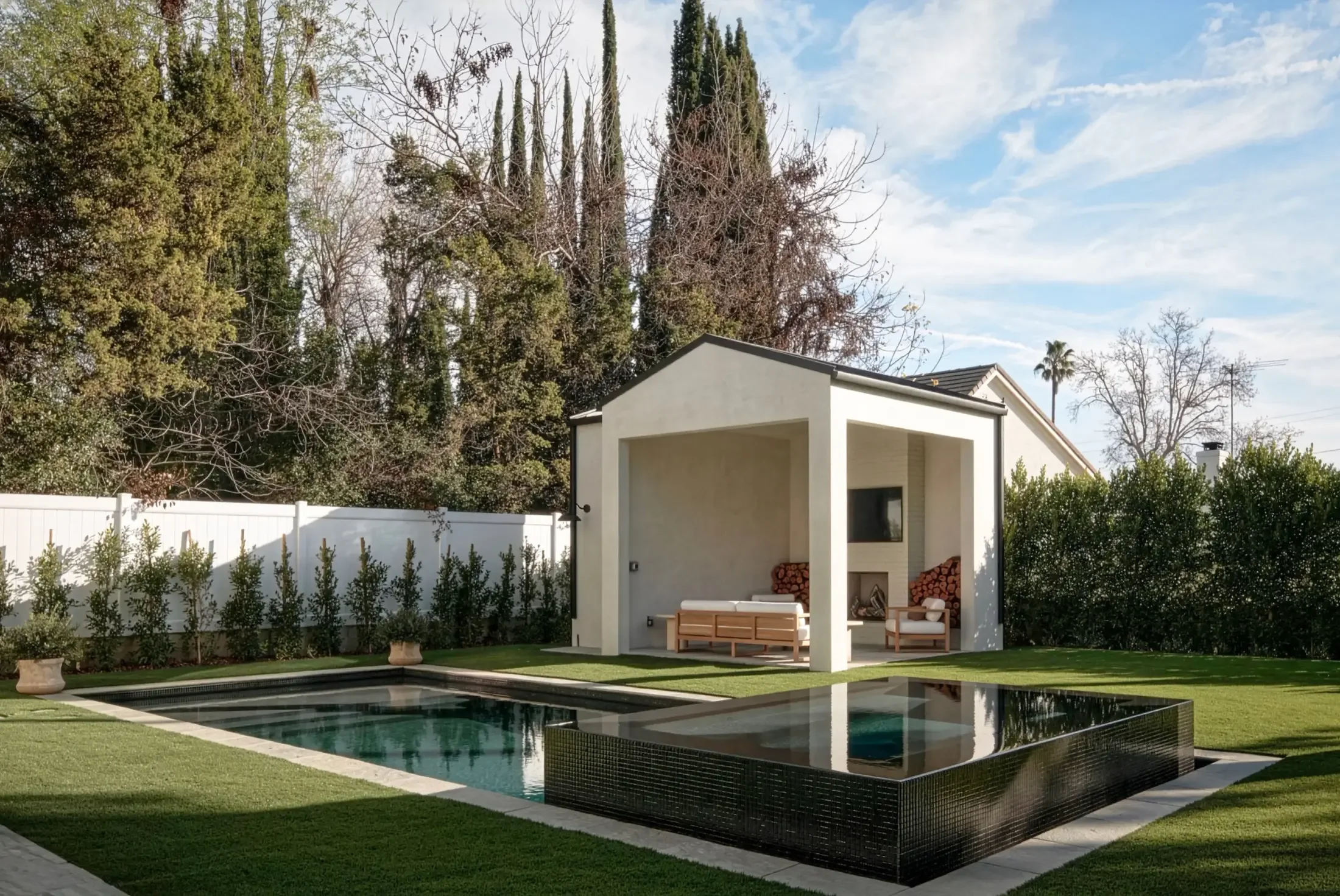
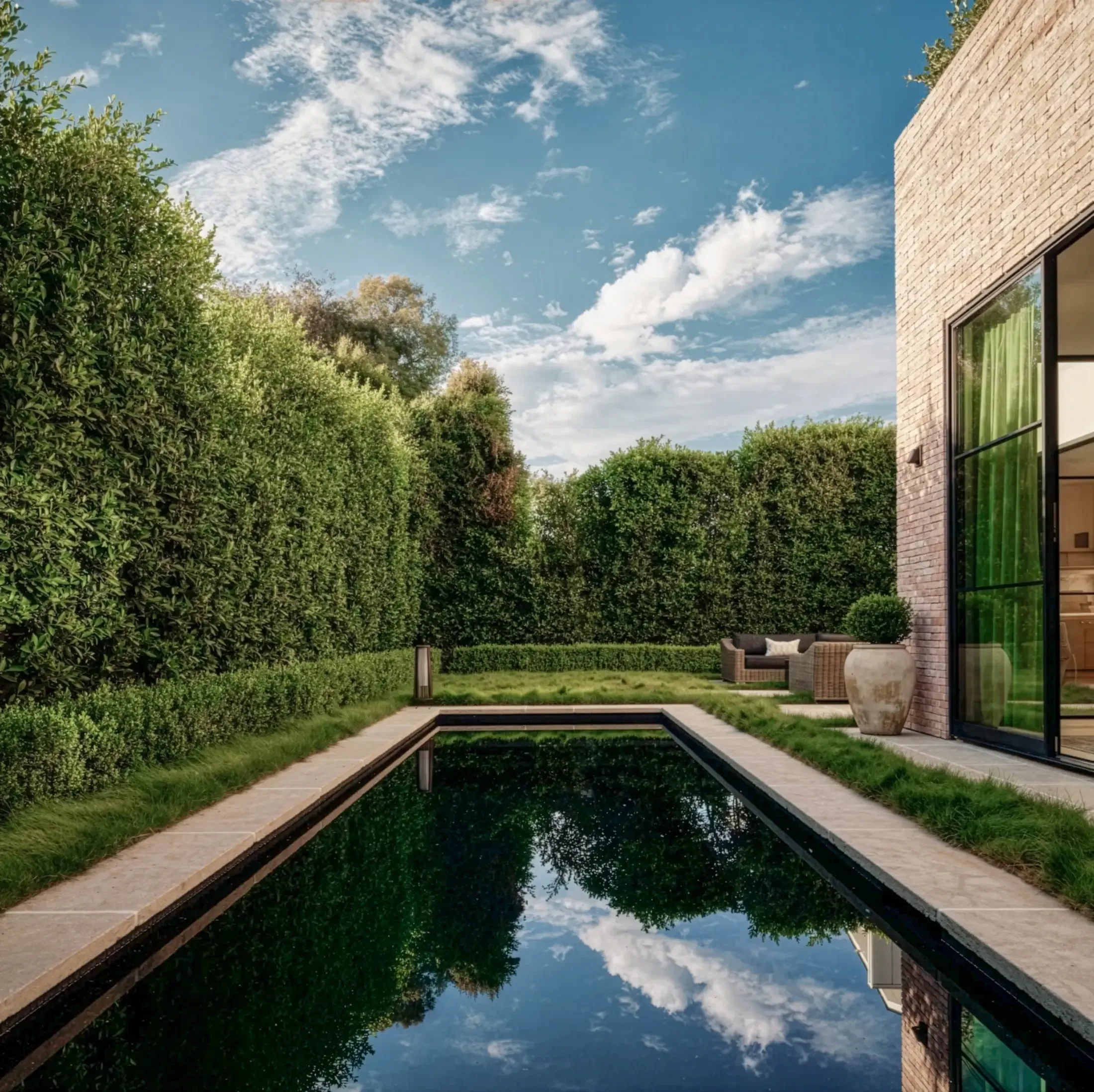
The most compelling outdoor environments use paving to create visual continuity from the house outward. Color, texture, and module size can echo interior flooring, pool coping, or masonry chimneys so that circulation feels inevitable rather than abrupt. Contrasting bands, borders, and inlays then define rooms without walls, dining courts, arrival sequences, garden walks, while remaining part of one architectural language.
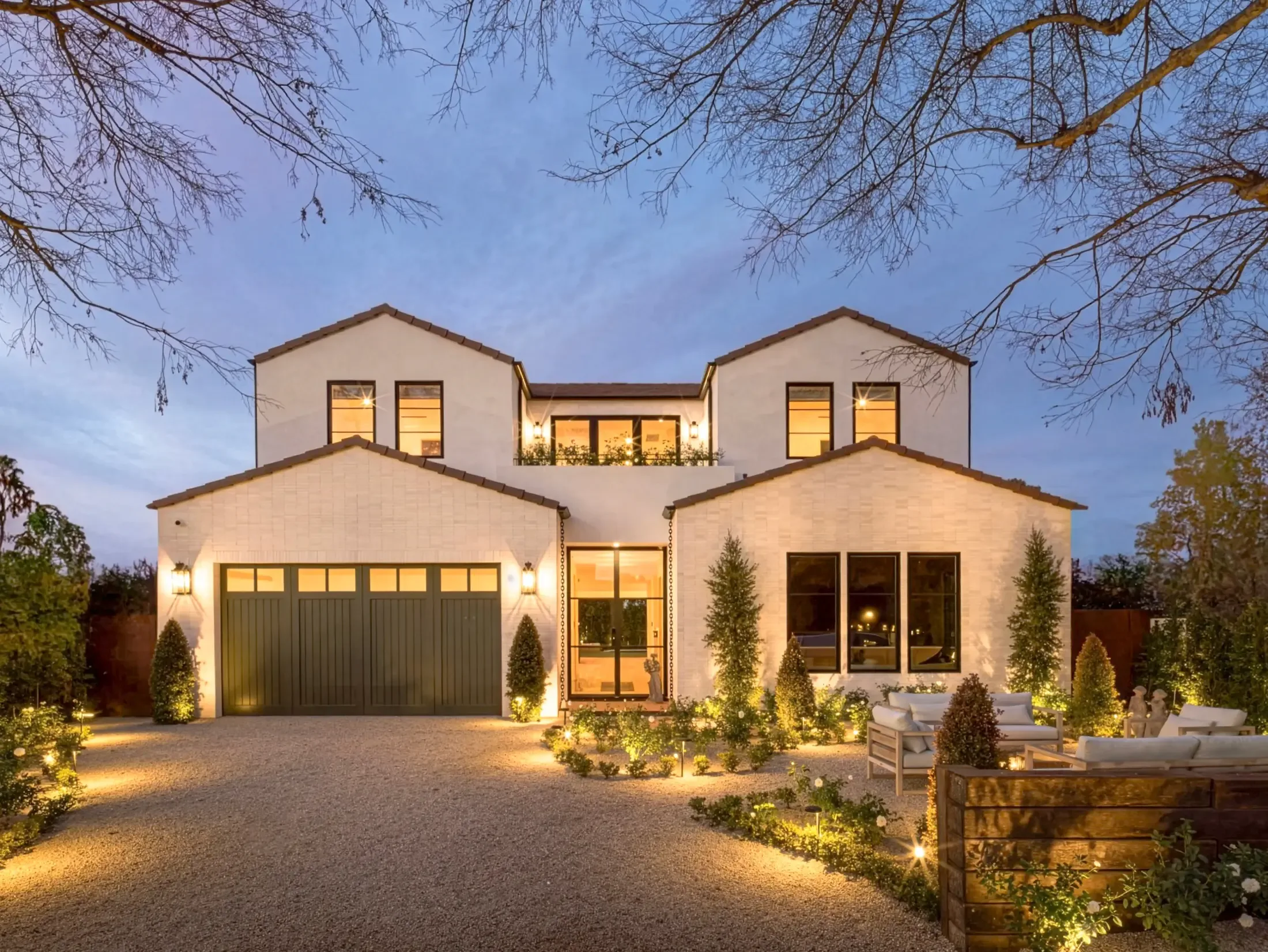
When paving is planned in isolation from planting, lighting, and structure, seams appear everywhere: a path that fights a retaining wall, a patio that ignores door alignments, a court that drains toward rather than away from the home. Unified design-build coordination resolves these relationships before installation begins.
Performance Under Real Conditions
Luxury paving must endure California sun, irrigation overspray, furniture loads, and the daily traffic of outdoor living. Slip resistance, color stability, and cleanability are practical criteria, not secondary concerns. Selecting materials that age gracefully, developing character without deterioration, protects both appearance and investment.
Drainage is non-negotiable. Positive slopes, permeable zones where appropriate, and integration with site grading keep water moving away from foundations and finished surfaces. A beautiful terrace that ponds after rain is not beautiful for long.
Specifying With Intent
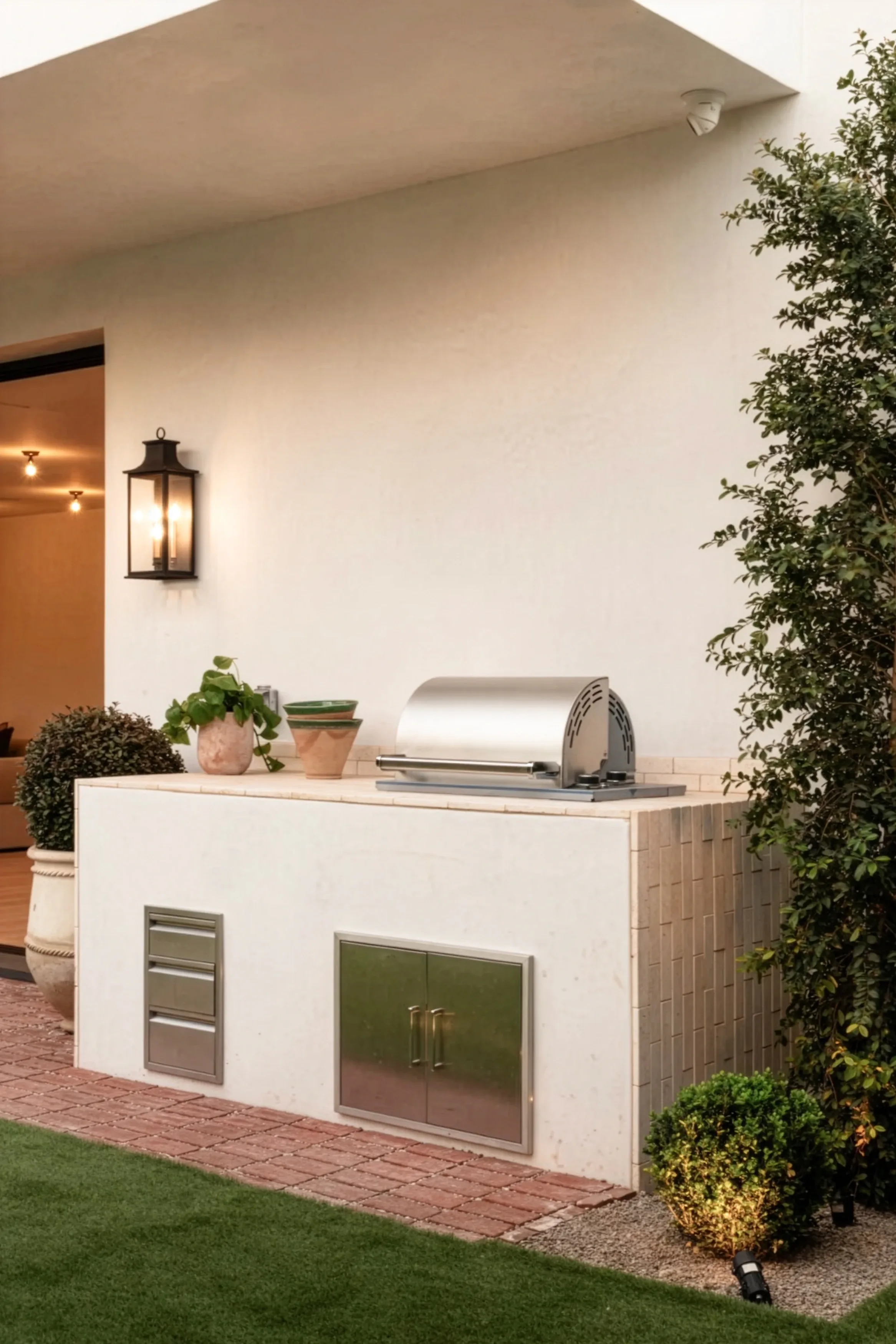
Choosing architectural pavers is an act of long-term planning. Dimensions should relate to furniture layouts and structural grids. Patterns should reinforce circulation rather than decorate it. Transitions to softscape, steps, and thresholds should be detailed so the ground plane reads as intentional architecture from the first approach to the last garden path.
When paving is treated as the quiet organizer of the landscape, structurally sound, aesthetically continuous, and precisely executed, everything built above it inherits that clarity. That is the refined foundation outdoor living deserves.